Hydration Immunity Defense
Don’t Sweat It, They Said, Just Drink More Water-Pat Walsh and Jennifer Martinez

A message you may not want to hear, but may need to. “Don’t sweat it,” they said. “Just drink more water.” But what happens when water is not restoring what heat, stress, exertion, long shifts, and daily pressure are taking from the body? I was honored to join Pat Welsh on The Warrior Servant Leader…
Read MoreJennifer Martinez on The Jeff Crilley Show: Bridging the Gap Between Heat Stress Awareness and Real-Time Restoration

The Missing Gap in Every Heat-Stress Plan: Real-Time Restoration I recently had the opportunity to sit down on The Jeff Crilley Show to talk about a mission that is deeply personal to me: protecting the people who build, serve, respond, perform, and keep this country moving in high-stress environments. As Founder and CEO of JMar Solutions, I spend…
Read MoreWhy Water Is Not Enough: If water is the answer to dehydration, why is the problem getting worse every year?
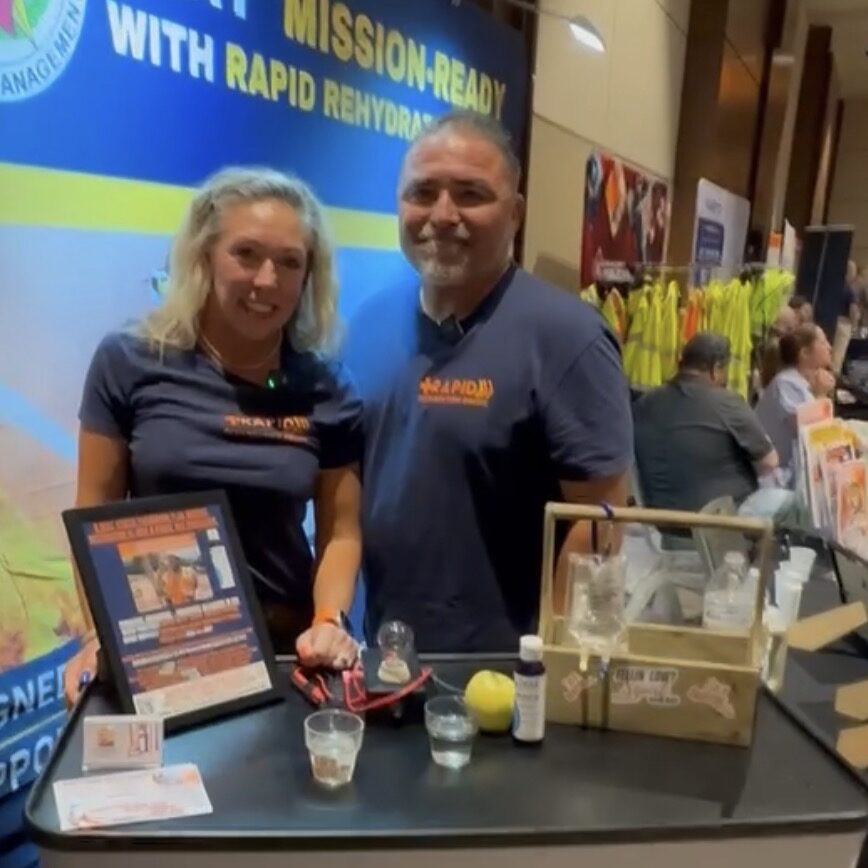
Why Water Is Not Enough: If water is the answer to dehydration, why is the problem getting worse every year? Most people believe dehydration is solved by drinking more water. On job sites, at every safety meeting, during emergency response situations, and in high-stress environments, personnel are repeatedly told to drink water before, during, and…
Read MoreRapid Restoration Drops: Real-Time Support Without the Mixing
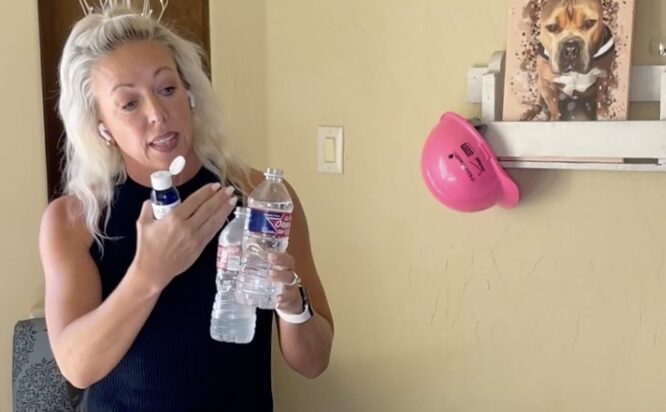
Your response plan has to work where your people work. You’ve invested in training, safety and preparation. But when someone on your crew starts struggling, the tools behind that plan need to be accessible and ready to use. That means looking beyond what’s on the supply shelf. How does it hold up in the field?…
Read MoreRapid Restoration Drops: Built for Fuel, Not Flavor

Feeling like crap shouldn’t be part of the job description. Your crew is lifting, climbing, operating equipment and making decisions under pressure. When headaches, cramps or exhaustion show up, your team needs a clear way to respond. You’ve invested in training, safety and leadership. The tools you put in people’s hands should support that investment.…
Read MoreThe Costs Don’t Stop at Downtime

The $100 billion annual cost of heat-related incidents isn’t just a safety statistic, it’s a performance crisis hiding in plain sight. Behind every productivity dip, every afternoon slowdown, and every missed deadline on your construction site lies a simple yet overlooked factor: improper electrolyte balance among your workforce that RRD could solve. Safety managers watch…
Read MoreThe Shocking Truth: Why Water Intake Alone Fails to Keep Workers Safe and How to Maintain Proper Hydration in the Workplace

How Electrolyte Drinks Solve Hydration Challenges and Keep Workers Safe in the Workplace Water isn’t enough for workplace hydration. This statement might shock the safety manager who has spent years instructing construction workers to “stay hydrated” by drinking more water during hot weather. But what if those well-intentioned directions about water intake are actually making…
Read MoreMaximize ROI and Health with Rapid Rehydration Drops

The Problem: Dehydration and Heat-Related Illnesses in the Construction Industry Significant Risk: Construction workers are 13 times more likely to die from heat-related illnesses than workers in other industries. Health Impact: Over 60% of workers arrive dehydrated, increasing the risk of heat-related illnesses. Heat stress caused 285 deaths in construction between 1992-2016, representing over a…
Read MoreJmar Solutions best uses and quick tips

Suggested Uses Add a SQUIRT of Rapid Rehydration Drops to any beverage—water, juice, sports drinks, or even coffee—for fast and effective hydration support. Use proactively throughout the day in hot or physically demanding environments to maintain energy, focus, and performance. In emergency situations, take directly in the mouth as a concentrated shot (1-2 SQUIRTS in a few ounces…
Read MoreWinter Hydration Tips / Rapid Rehydration Drops

Dehydration can actually increase in the winter months. Chilly dry air increases the amount of water vapor we lose by just breathing, respiration increases dramatically compared to breathing on warm, humid days. The body still sweats in the winter, but we don’t feel the sweat because it evaporates quickly in a cold dry environment.
Read More