Why Agencies Choose Rapid Restoration Systems
1. Restoration-Focused, Not Beverage-Based
Rapid Restoration is not a another flavored drink in the cooler. It is a concentrated mineral restoration tool designed for field operations and high-heat exposure that can be added to any beverage or taken straight followed by additional fluids.
2. Supports Existing Heat-Stress Plans
Agencies do not need to rebuild their safety program. Rapid Restoration fits into existing protocols as an added response layer between prevention and medical escalation.
3. Practical for Supervisors
Supervisors can stage it where heat exposure and decisions happen: trucks, trailers, first-aid kits, coolers, worksites, emergency response bags, and beginning/end-of-shift recovery stations.
4.Built for Daily Use and Real-Time Response
Rapid Restoration can support crews proactively at the start of shift, during high-exposure work, when early heat-related decline appears, and after the shift for recovery support.
5. Procurement Documentation Available
Government teams can review Supplement Facts, Safety Data Sheet, quality standards, manufacturing standards, sourcing details, and implementation guidance.
6. USA-Based Manufacturing and Quality Standards
Rapid Restoration supports procurement review with domestic sourcing/manufacturing visibility, FDA-registered facilities, cGMP certification, SQF Level II standards, batch traceability, and third-party testing.

Revolutionary Solutions for Heat Illness Prevention
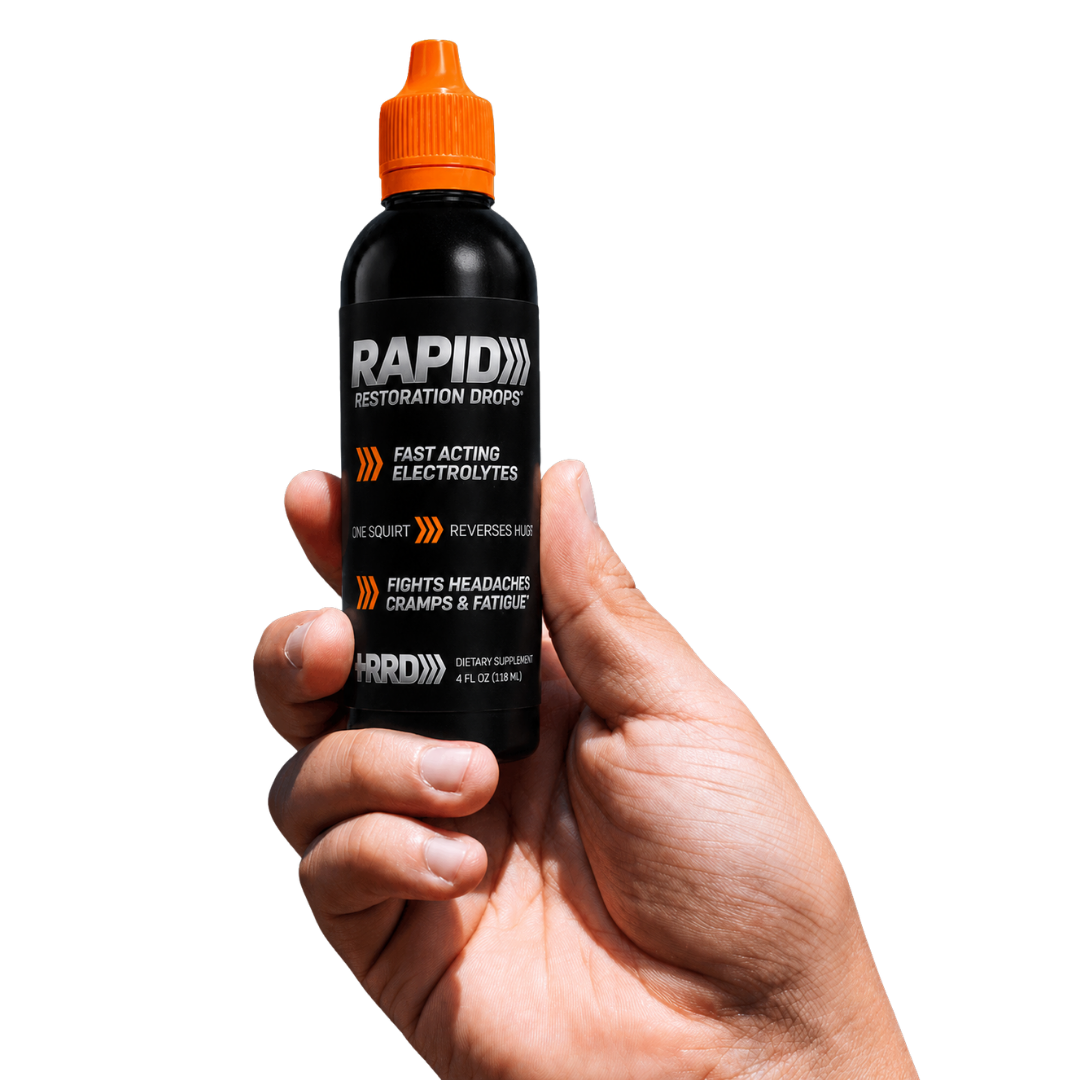
Revolutionary Restoration Solution For Extreme Heat Conditions
Our fast-acting formula features liquid ionic electrolytes that absorb 98% faster than water, empowering public sector employees with advanced hydration solutions designed to ensure safety, productivity, and resilience when working in extreme heat.
-
Non-GMO, certified vegan with no sugar or artificial additives
-
Rapidly replenishes essential electrolytes lost through sweat
-
Provides instant relief from fatigue, muscle cramps, and brain fog
-
Portable and compatible with any beverage
Heat-Related Incidents: The Alarming Statistics
0
Heat-related IncidentsHeat-related incidents among postal workers since 2022 (USPS inspector general)
0
Heat related illnessesHeat-related illnesses in 2020, quadrupling from 127,200 in 2019 (OSHA)
x0
Potential MortalityConstruction workers are 13 times more likely to die from heat-related illnesses
0%
Already DehydratedWorkers arrive at work already dehydrated.
Heat Stress Is Not Just a Health Issue. It Is an Operational Readiness Issue.
Government agencies are responsible for keeping essential services moving in extreme heat.
Soldiers, first responders, public works, transportation, utilities, sanitation, emergency management, law enforcement support, parks, road crews, and maintenance teams all face the same challenge:
Heat does not wait for perfect conditions.
Even with prevention measures in place, heat exposure can still lead to:
-
Fatigue
-
Cramping
-
Headaches
-
Reduced focus
-
Slower response
-
Poor decision-making
-
Medical escalation
-
Delays in public service
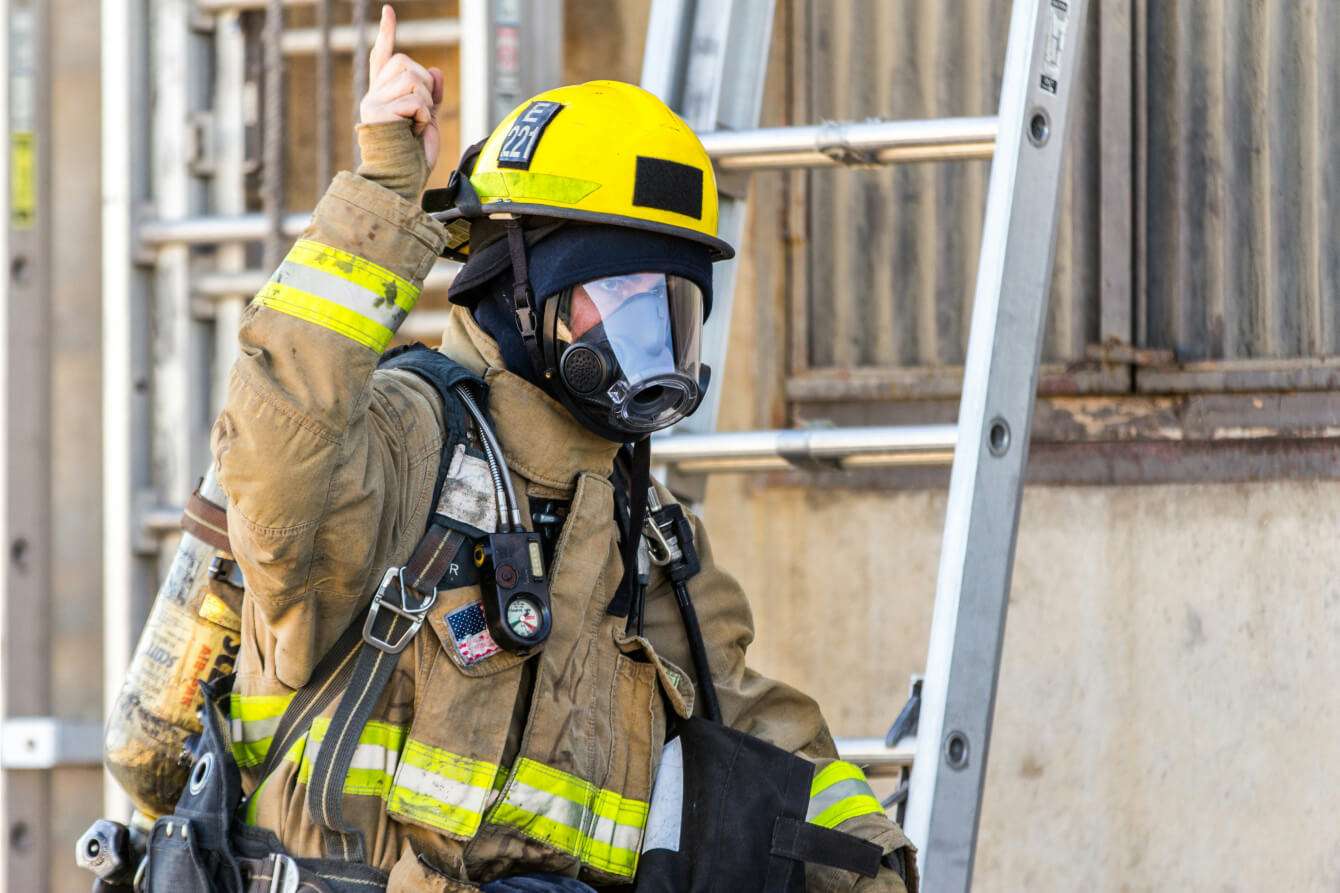
The issue is what happens after prevention is already in place and heat still starts affecting the team.
What Our Valued Clients Have To Say
Frequently Asked Questions - Tips to Avoid Heat-Related Illness
Benefits and Results of JMAR Rapid Restoration Drops